Personal Finance Management for Beginners
Personal finance management is one of the most important life skills, yet many people never learn it properly. Most beginners earn money but still struggle at the end of every month. They feel confused about savings, worried about expenses, and unsure about their future. This happens because there is no clear plan for managing money.
Personal finance management means knowing how to earn, spend, save, and grow your money in a smart way. It is not about becoming rich overnight. It is about creating financial stability and peace of mind. When beginners learn the basics early, they avoid common money mistakes and build a strong financial foundation.
This guide explains personal finance management in a simple and easy way. If you are new to handling money, this article will help you start correctly and confidently.
Understanding Personal Finance Management
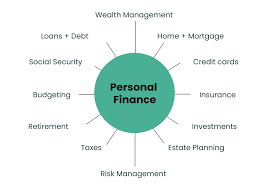
Personal finance management is the process of planning and controlling your money. It includes income management, expense control, saving habits, investing, and future planning. Every financial decision you make becomes part of your personal finance system.
For beginners, personal finance management starts with awareness. You must know how much money you earn and how much you spend. Without this clarity, saving and investing become difficult. Good money management helps you meet daily needs while also preparing for emergencies and future goals.
It is not something you do once and forget. Personal finance management is a lifelong habit that improves with time and experience.
Why Personal Finance Management Matters for Beginners
Many beginners believe they will manage money better when they earn more. This thinking often leads to poor habits that continue even after income increases. Money habits formed early usually stay for life.
Personal finance management helps beginners avoid unnecessary debt and financial stress. It allows you to save regularly and spend wisely. It also prepares you for unexpected events like medical emergencies or job loss.
When you manage your money properly, you feel confident about your future. You can plan goals like buying a home, starting a business, or retiring comfortably. This confidence makes personal finance management extremely valuable.
Knowing Your Income Clearly
The first step in managing personal finance is understanding your income. Income is not only your salary. It includes bonuses, freelance work, side income, interest, or any extra money you receive.
Beginners should focus on their monthly take-home income. This is the actual amount that comes into your bank account after deductions. Your financial planning should always be based on this number.
When you know your real income, you can plan expenses and savings realistically. Avoid planning based on expected income, as this often leads to overspending.
Tracking Expenses the Simple Way
Expense tracking is one of the most powerful habits in personal finance management. Most people overspend because they do not know where their money goes. Beginners should track expenses for at least one full month.
Record every expense, including small daily spending. Food, travel, subscriptions, shopping, and bills should all be noted. At the end of the month, review your spending pattern carefully.
Expense tracking does not mean you must stop enjoying life. It helps you understand where you can reduce waste and spend more consciously.
Creating a Simple Monthly Budget
A budget is a plan for your money, not a restriction. Beginners should keep their budget simple and flexible. The goal is balance, not perfection.
Divide your income into three basic parts. One part for essential needs like rent, food, and bills. One part for savings and investments. One part for personal wants and enjoyment.
A monthly budget gives direction to your money. Instead of wondering where your money disappeared, you decide in advance how it will be used.
Developing the Habit of Saving
Saving money is the backbone of personal finance management. Beginners often save only when something is left at the end of the month. This approach usually fails.
Saving should be done first. As soon as you receive income, move a fixed amount to savings. Start small if needed, but stay consistent. Over time, saving becomes a natural habit.
Savings provide security. They protect you from borrowing during emergencies and create confidence in your financial life.
Importance of an Emergency Fund
An emergency fund is money set aside for unexpected situations. These situations may include medical emergencies, sudden job loss, or urgent repairs.
Beginners often skip this step and move directly to investing. This can be risky. An emergency fund should cover at least three to six months of basic expenses.
This money should be kept in a safe and easily accessible place. The purpose of an emergency fund is safety, not high returns.
Learning the Basics of Investing
Investing helps your money grow over time. Beginners should not fear investing, but they should start slowly and carefully. Investing without understanding can lead to losses and frustration.
Before investing, beginners should clear high-interest debt and build an emergency fund. Once these basics are in place, small and regular investments are the best approach.
Investing is not about quick profits. It is about patience, discipline, and long-term growth.
Managing Debt in a Smart Way
Debt is not always bad, but unmanaged debt can destroy financial stability. Beginners must understand the difference between useful debt and harmful debt.
High-interest debt should be avoided as much as possible. Credit cards should be used carefully and paid on time. Borrow only when necessary and always with a clear repayment plan.
Managing debt wisely helps maintain financial balance and reduces long-term stress.
Setting Financial Goals for the Future
Goals give purpose to personal finance management. Without goals, saving and budgeting feel meaningless. Beginners should set both short-term and long-term goals.
Short-term goals may include travel, buying gadgets, or building emergency savings. Long-term goals include buying a house, children’s education, or retirement planning.
Clear goals make financial decisions easier and keep you motivated.
Building Healthy Money Habits
Personal finance management is about behavior, not just numbers. Healthy habits include regular saving, controlled spending, and continuous learning.
Beginners should review their finances every month. This helps identify mistakes early and improve planning. Avoid comparing your financial journey with others.
Consistency matters more than perfection. Small actions repeated regularly lead to strong financial discipline.
Common Mistakes Beginners Should Avoid
Many beginners delay financial planning, which costs them valuable time. Another common mistake is following advice blindly without understanding it.
Spending to impress others often leads to unnecessary debt. Ignoring insurance and emergency planning can destroy years of savings.
Avoiding these mistakes helps beginners stay financially safe and confident.
Final Thoughts on Personal Finance Management
Personal finance management for beginners does not need to be complicated. It starts with awareness, discipline, and patience. Small steps taken today create big results in the future.
Money is a tool, not a source of stress. When managed wisely, it brings freedom and security. Start where you are, use what you have, and improve gradually.