Bangladesh Protests With Anti-India Slogans: What Is Happening and Why It Matters

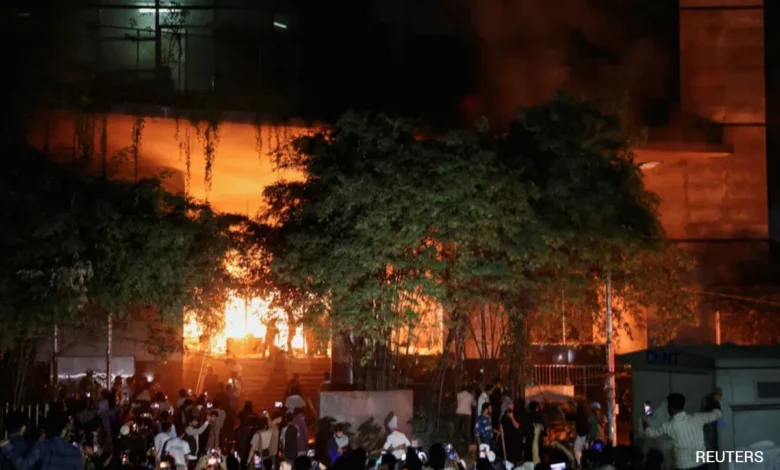
Recent protests in Bangladesh have drawn strong attention in India and across South Asia after demonstrators were seen raising anti-India slogans in the streets. Videos and images from these protests spread quickly on social media, creating concern about rising tensions between the two neighbouring countries. While protests are not new in Bangladesh, the tone and messaging this time have made the situation more sensitive.
The demonstrations were mainly reported in parts of Dhaka and other urban areas. Protesters gathered over local political and social issues, but anti-India slogans soon became part of the narrative. This shift has raised questions about regional politics, public sentiment, and the future of India-Bangladesh relations.
What Triggered the Protests
The protests in Bangladesh began due to internal political anger and public frustration. Many people were protesting issues such as governance, law enforcement actions, economic pressure, and political accountability. As the protests grew larger, emotions intensified, and slogans began to reflect broader frustrations.
Some protest groups started blaming foreign influence for domestic problems. In this atmosphere, India became a target of anger, with slogans accusing it of interfering in Bangladesh’s internal affairs. These claims are not new, but they tend to surface during periods of political instability.
The situation escalated after the death of a young protester, which further fueled public outrage. As emotions ran high, protest messages became more aggressive, including anti-India chants.
Why Anti-India Slogans Are Significant
India and Bangladesh share a long and complex relationship. The two countries cooperate on trade, border security, water sharing, and regional development. Because of this close connection, any public anger directed at India is closely watched by policymakers on both sides.
Anti-India slogans during protests suggest that some sections of the population feel resentment or distrust toward New Delhi. Analysts say this does not necessarily reflect the views of all Bangladeshi citizens, but it does show how quickly public opinion can shift during times of unrest.
Such slogans also create pressure on political leaders, who must balance domestic concerns with diplomatic responsibilities.
Political Context in Bangladesh
Bangladesh’s political environment has been tense in recent months. Opposition groups have accused the government of limiting political freedom and controlling institutions. Supporters of the ruling party, led by Sheikh Hasina, argue that strong measures are needed to maintain stability.
India is often viewed as a close ally of the current Bangladeshi government. Because of this perception, protesters sometimes link their anger toward the government with anger toward India. This connection fuels the belief among some groups that India supports the political status quo in Bangladesh.
Experts caution that such narratives can oversimplify complex political realities.
India’s Response and Diplomatic Sensitivity
So far, India has reacted cautiously to the protests. Indian officials are closely monitoring the situation but have avoided strong public statements. Diplomats understand that reacting too strongly could worsen tensions or be used for political messaging inside Bangladesh.
India’s priority remains regional stability. Both countries share borders, trade routes, and security interests. Any long-term strain could impact cooperation on migration, counter-terrorism, and economic projects.
Indian analysts believe that calm diplomacy is the best approach while allowing Bangladesh to manage its internal issues.
Role of Social Media in Spreading Tensions
Social media has played a major role in amplifying the protests. Short videos of slogans, confrontations, and street marches spread rapidly, often without full context. In many cases, isolated incidents appear larger than they are because of repeated sharing.
Misinformation and emotionally charged posts can quickly inflame public opinion on both sides of the border. This makes it harder for governments to control narratives and maintain calm.
Experts urge people to rely on verified news sources rather than viral clips when forming opinions about such sensitive events.
Impact on Regional Relations
India-Bangladesh relations have generally been stable and cooperative over the last decade. Trade between the two countries has grown, and several infrastructure and connectivity projects are ongoing. Protests like these do not automatically change government-to-government relations, but they do create diplomatic challenges.
If public anger continues or grows, leaders on both sides may face pressure to adjust their tone or policies. Maintaining trust between neighbouring countries requires careful communication during moments of unrest.
Why This Situation Matters Beyond Bangladesh
These protests matter not only for Bangladesh and India but for the wider South Asian region. Political instability and rising nationalism can affect regional cooperation, economic growth, and security.
South Asia faces shared challenges such as climate change, migration, and development needs. Tensions between neighbours make it harder to address these problems together.
Conclusion
The protests in Bangladesh with anti-India slogans reflect deep frustration within parts of Bangladeshi society, mixed with political tension and emotional reactions. While these slogans do not represent the views of all citizens, they highlight how quickly public sentiment can shift during unrest.
For India and Bangladesh, the situation calls for calm dialogue, responsible leadership, and careful handling of public communication. How both countries navigate this moment will shape not only their bilateral relationship but also regional stability in the months ahead.